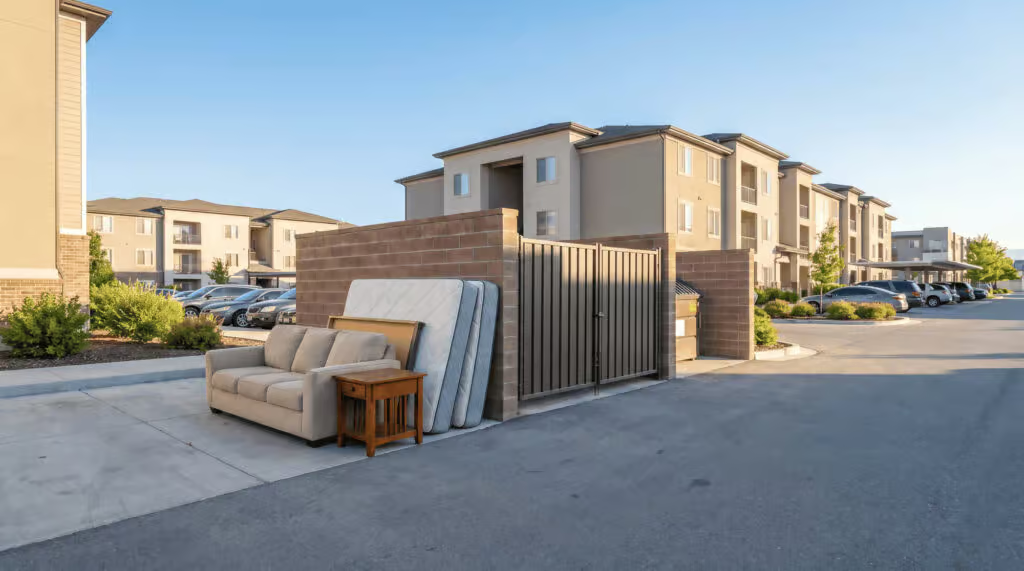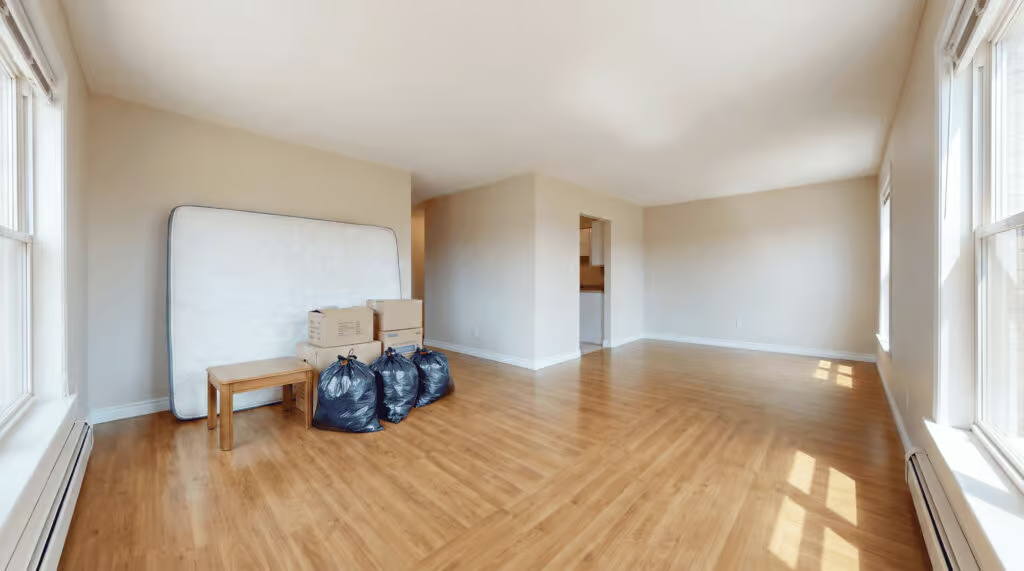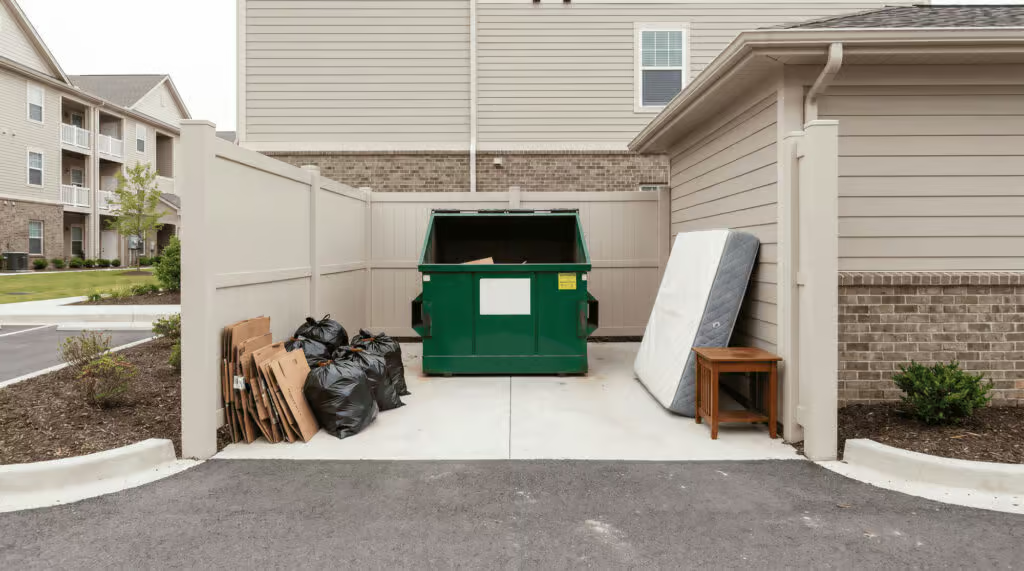
Dumpster overflow is one of those property management problems that gets visible fast. One couch turns into two. A mattress appears next to the enclosure. Cardboard stacks up after move-in weekend. Bags get left outside the container, wind spreads loose trash across the parking lot, and suddenly the dumpster area is the first thing residents, prospects, vendors, and owners notice.
For multifamily properties, dumpster overflow is not just a trash problem. It affects curb appeal, resident satisfaction, pest control, maintenance workload, safety, and the way the entire community feels. If the issue repeats often enough, the dumpster enclosure can become a dumping zone instead of a managed service area.
This guide is written for property managers, apartment communities, HOAs, and portfolio operators across Salt Lake City and the Wasatch Front. The goal is simple: clean up overflow quickly, identify why it keeps happening, and build a better system so your maintenance team is not constantly reacting to the same mess.
Quick note: This is an operational guide, not legal or municipal compliance advice. Waste rules, recycling requirements, bulk item policies, and hauler agreements can vary by city, property type, contract, and service provider. Use this as a management checklist, then confirm specific requirements with your waste hauler, city, county, ownership group, or compliance team.
Why Dumpster Overflow Becomes a Property Management Problem Fast
A full dumpster is easy to ignore for a day. A messy dumpster area is harder to ignore. Overflow sends a signal that the property is not being monitored closely, even when the rest of the community is well maintained.
Residents may start leaving bags outside the container because they assume there is no other option. Non-residents may see the area as an easy dumping spot. Maintenance teams may spend valuable time picking up loose trash instead of working on service requests, turns, inspections, and make-ready work. Leasing teams may have to route tours away from the dumpster area because it hurts the first impression.
The longer overflow stays visible, the more it tends to invite more overflow. That is why multifamily dumpster cleanup should be handled quickly, but also investigated. Cleaning the area once helps today. Understanding the cause helps prevent the same issue next week.
Common Causes of Dumpster Overflow at Apartment Communities
Dumpster overflow usually has a pattern. It is rarely random. Once you know the pattern, you can decide whether the property needs a one-time cleanup, better resident communication, a service adjustment, a bulk item plan, or recurring support.
Common causes include lease-end move-outs, move-in weekends, holiday packaging, online shopping boxes, furniture dumping, mattress disposal, residents placing bulk items outside the enclosure, short-term rentals, unauthorized dumping, missed hauler pickups, undersized containers, locked or blocked enclosures, and poor signage.
Seasonality matters too. In Utah, overflow can spike around student housing turnover, end-of-month move-outs, spring cleaning, holiday shipping, and summer moving season. Properties near busy roads or commercial areas may also see more outside dumping if the enclosure is easy to access.
The first question is not only “Who left this here?” It is also “Why was this the easiest place to leave it?”
Step 1: Clean Up the Overflow Before It Spreads
When the dumpster area is already overflowing, the first priority is containment. Loose bags, cardboard, mattresses, furniture, and broken household items should be removed from the enclosure area before they spread into parking stalls, landscaping, sidewalks, breezeways, or storm drains.
Do not wait until the next scheduled pickup if the area is already creating a resident-facing problem. A waste hauler may empty the container, but that does not always mean they will remove furniture, mattresses, loose debris, or items placed outside the bin. If the problem includes bulk items or ground cleanup, you may need a junk removal crew rather than only a dumpster pickup.
For apartment communities in Salt Lake City and surrounding areas, the practical goal is to reset the area quickly: remove what does not belong, clear blocked access, pick up loose trash, and get the enclosure back to a condition your residents can use correctly.
Step 2: Document the Dumpster Area
Before cleanup starts, take photos. Documentation helps you identify repeat patterns, communicate with residents, escalate issues to ownership, work with your waste hauler, and show what was handled by your vendor.
Take photos from several angles: the front of the enclosure, the inside of the enclosure, the surrounding parking area, any blocked access points, and any bulk items that were left outside the container. If unauthorized dumping is suspected, document the date, time, item type, and location. If your property uses cameras, check whether the area is covered.
Documentation also helps separate a one-time move-out spike from a recurring operations issue. A single mattress after a tenant move-out is different from a dumpster enclosure that is overflowing every Monday morning.
Step 3: Separate Bulk Items From Regular Trash
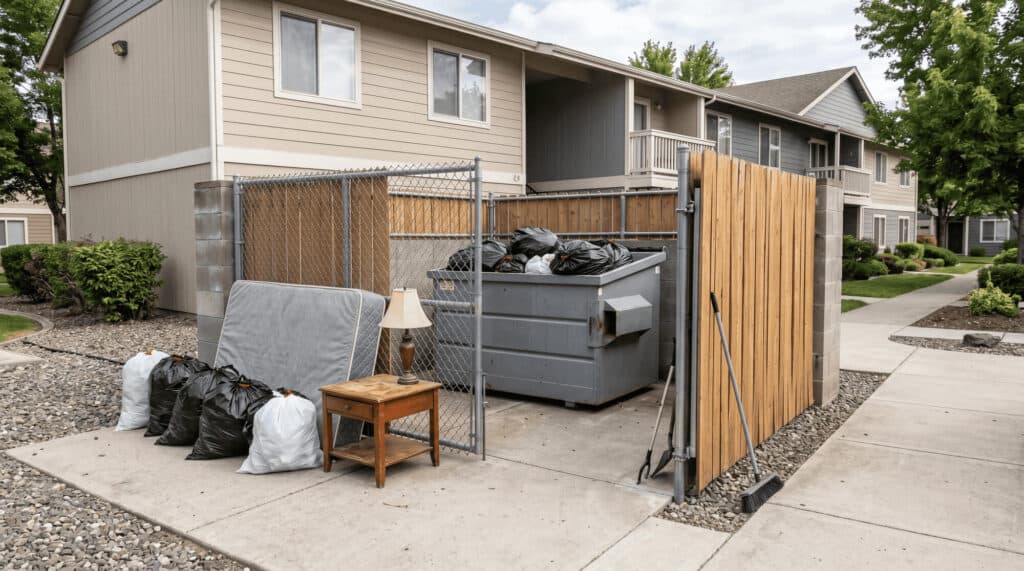
Bulk items are one of the biggest reasons apartment dumpster areas get out of control. Mattresses, couches, tables, chairs, shelving, rugs, appliances, and broken furniture often do not belong inside the regular dumpster, and they may not be handled by the standard pickup.
If residents believe the dumpster area is the place for everything, they will keep leaving bulk items there. That creates a pileup that blocks access to the container and makes normal trash disposal harder for everyone else. Once the container is blocked, residents may start leaving regular bags outside too.
A better system separates regular trash, recycling, cardboard, bulk items, and special handling items. That does not mean the property needs a complicated process. It means residents need to know what goes where, and management needs a plan for items that do not fit the normal waste stream.
Step 4: Check Whether the Container Service Matches the Property
Some dumpster overflow issues are not caused by bad behavior. They are caused by a mismatch between property volume and service level. If the property has grown, occupancy has changed, resident behavior has shifted, or pickup frequency is too low, the container may be undersized for the actual waste being generated.
Review the number of units, occupancy, pickup schedule, container size, enclosure capacity, recycling setup, cardboard volume, and the frequency of bulk item dumping. If overflow happens right before pickup every week, the property may need a service adjustment. If overflow happens right after move-outs, it may need a bulk item process. If it happens after weekends, the issue may be resident behavior or outside dumping.
A property manager does not need to solve every waste issue alone. Your hauler, maintenance supervisor, regional manager, and cleanup vendor may all see different parts of the pattern. The goal is to match the solution to the actual cause.
Step 5: Use Clear Signage and Resident Communication
Residents are more likely to follow a waste system when the rules are visible, simple, and repeated. Signage near the dumpster should clearly explain what belongs in the dumpster, what belongs in recycling, what to do with cardboard, and how bulk items should be handled.
Keep the message direct. If bulk items require a scheduled pickup, say that. If furniture cannot be left outside the enclosure, say that. If cardboard needs to be flattened, say that. If residents should contact the office before disposing of mattresses, couches, or appliances, give them the exact process.
Communication is especially important before high-volume periods: move-out weekends, lease expirations, holidays, and community cleanups. A short resident notice before the problem happens is usually more effective than a frustrated warning after the dumpster area is already a mess.
Step 6: Build a Bulk Item Pickup Process
Every multifamily property needs a plan for bulk items. Without one, residents will make their own plan, and that plan is usually “leave it by the dumpster.”
Your process can be simple. Tell residents which items require special handling, where they should not place those items, who they should contact, whether there is a fee, how far in advance they need to schedule, and what happens if items are dumped without approval.
For larger apartment communities, it may make sense to schedule recurring bulk item checks during known high-volume periods. For smaller communities, on-call removal may be enough. The important thing is that the leasing office, maintenance team, and residents all understand the same process.
Step 7: Protect Access, Safety, and Curb Appeal
Dumpster overflow can create safety and access issues. Bags and furniture can block the enclosure gate, prevent the hauler from servicing the container, attract pests, create trip hazards, or spill into parking and pedestrian areas. In winter, snow and ice can make the area even harder to manage if items are left in the way.
For property managers, the cleanup standard should include more than removing the largest items. The enclosure should be accessible, the ground should be cleared of loose debris, the surrounding area should look maintained, and the path to the dumpster should be usable for residents and haulers.
This is where before-and-after photos are helpful. They show that the area was reset, not just partially improved.
Step 8: Decide Whether You Need On-Call or Recurring Support
Some properties only need help after occasional move-outs. Others need recurring dumpster area cleanup because the same issue keeps coming back. The right setup depends on the size of the property, resident turnover, waste volume, location, and how often bulk items appear.
On-call support works well when overflow is occasional and easy to predict. Recurring support makes more sense when the property regularly deals with furniture, mattresses, loose trash, illegal dumping, or weekend overflow. A recurring check can prevent a small problem from becoming a resident complaint.
For property managers with multiple communities across Salt Lake City, South Salt Lake, West Valley City, Millcreek, Murray, Sandy, Draper, and the broader Wasatch Front, a single junk removal partner can also help standardize expectations across the portfolio.
Dumpster Overflow Checklist for Property Managers
- Take photos before cleanup begins.
- Identify whether the issue is regular trash, bulk items, cardboard, recycling, illegal dumping, or missed pickup.
- Remove loose trash and bulk items before the overflow spreads.
- Confirm whether the hauler can access the container safely.
- Separate mattresses, furniture, appliances, electronics, and other items that may need special handling.
- Review pickup frequency, container size, and enclosure capacity.
- Post clear signage for residents.
- Send reminders before move-out weekends, holidays, and high-volume periods.
- Create a process for bulk item pickup.
- Save before-and-after photos with the work order.
When to Bring in a Junk Removal Partner
Bring in a junk removal partner when the dumpster area has bulk items outside the container, when access is blocked, when the mess is visible to residents or prospects, when maintenance does not have time for multiple dump runs, or when the same issue keeps recurring.
A professional cleanup crew can remove mattresses, couches, furniture, loose debris, cardboard piles, and dumped items while your maintenance team stays focused on work orders, turns, inspections, and resident needs.
Junk Run Bros helps property managers across Salt Lake City and the Wasatch Front with dumpster area cleanups, bulk item removal, apartment trash-outs, and recurring property cleanout support. If your dumpster area has become a weekly headache, the answer may not be asking maintenance to keep chasing it. The answer may be building a better cleanup system.
Dumpster Overflow FAQ
Why do apartment dumpsters overflow so often?
Common causes include move-outs, bulk furniture dumping, cardboard volume, missed pickups, undersized containers, limited enclosure space, resident confusion, and unauthorized dumping from non-residents.
Can residents leave mattresses or couches by the dumpster?
That depends on your property rules, hauler agreement, and local requirements. Many properties need a separate bulk item process because large items may not be handled as part of regular dumpster service.
Should maintenance clean up dumpster overflow?
Maintenance may handle small issues, but repeated overflow, heavy bulk items, blocked access, and large cleanup jobs often pull them away from higher-priority property work. A junk removal partner can help keep the area under control.
How can property managers prevent recurring dumpster overflow?
Start by identifying the pattern. Then adjust resident communication, signage, bulk item pickup procedures, container service levels, access control, or recurring cleanup support based on what is actually causing the overflow.
Does Junk Run Bros provide dumpster area cleanup for apartment communities?
Yes. Junk Run Bros works with property managers and apartment communities across Salt Lake City and the Wasatch Front to remove bulk items, clear dumpster overflow, and reset messy enclosure areas quickly and professionally.